
From paper forms to AI-assisted reports — without changing your sign-off process.
AECAI sits inside your existing inspection workflow. The engineer remains in control. The platform handles the admin.
Capture on site
Inspectors open AECAI on their phone or tablet and select the structure and element type. Forms are pre-built for beams, columns, decks, abutments, and more.
- Hierarchical data model: Project → Structure → Element → Item → Photo
- Location referencing for every observation
- Offline-first — works without mobile signal
- Photos auto-tagged to inspection items
- Voice notes (Phase 2)

AI defect analysis
Once photos are uploaded, the computer vision engine processes them in seconds. It classifies defects, estimates extent, and returns annotated images for engineer review.
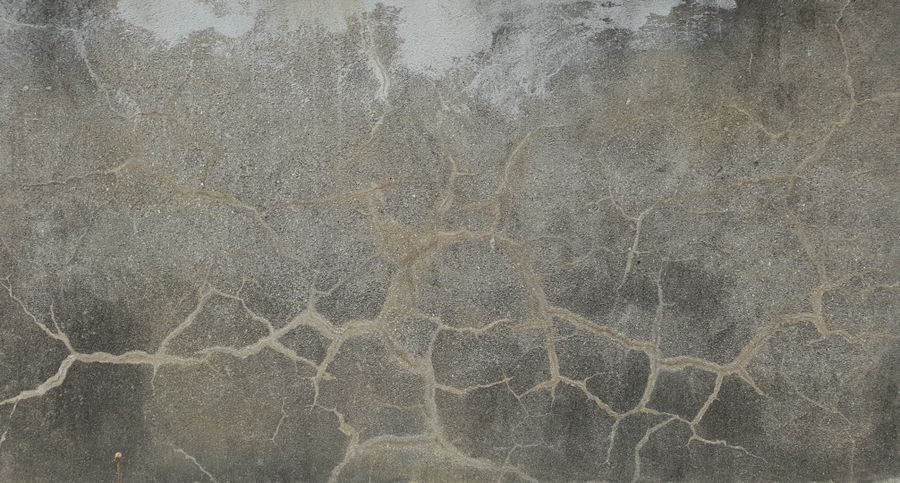
- Detects cracking, spalling, delamination, exposed reinforcement, and staining
- Severity indication and visible-extent estimation
- Bounding-box and segmentation-mask annotations
- Trained on CODEBRIM, CrackForest, and AECAI's own dataset
Engineer review and approval
The platform never replaces engineering judgement. Every AI finding is presented in a review panel where the engineer can approve, amend, override, or reject.
- Side-by-side raw and annotated photo comparison
- Edit defect class and severity
- Add free-text notes to any finding
- Full audit trail of engineer changes

Automated report generation
Once reviewed, the platform generates a structured Word or PDF inspection report — branded to your firm, aligned with industry standards, and ready to issue under your professional registration.
- Client-specific report templates
- Preset commentary by defect type and severity
- Figure numbering and photo embedding handled automatically
- Engineer signs off as normal — liability is unchanged
- Compliant with BD 63, CS 450, and CS 454

Want to see this on your own inspection?
Free demonstration — no commitment required.
Ready to see AECAI on a live project?
Free demonstration inspection. No commitment. We'll show you the whole workflow on your own data.